Permanent Dental Implants That Look & Feel Natural
Dental implants are one of the most reliable ways to replace missing teeth and restore long-term oral health. At Precision Implant Center, implant treatment is carefully planned using advanced imaging, digital technology, and the combined expertise of surgical and restorative specialists.
Whether you are missing a single tooth or require full arch replacement, implant solutions can restore function, stability, and the natural appearance of your smile.
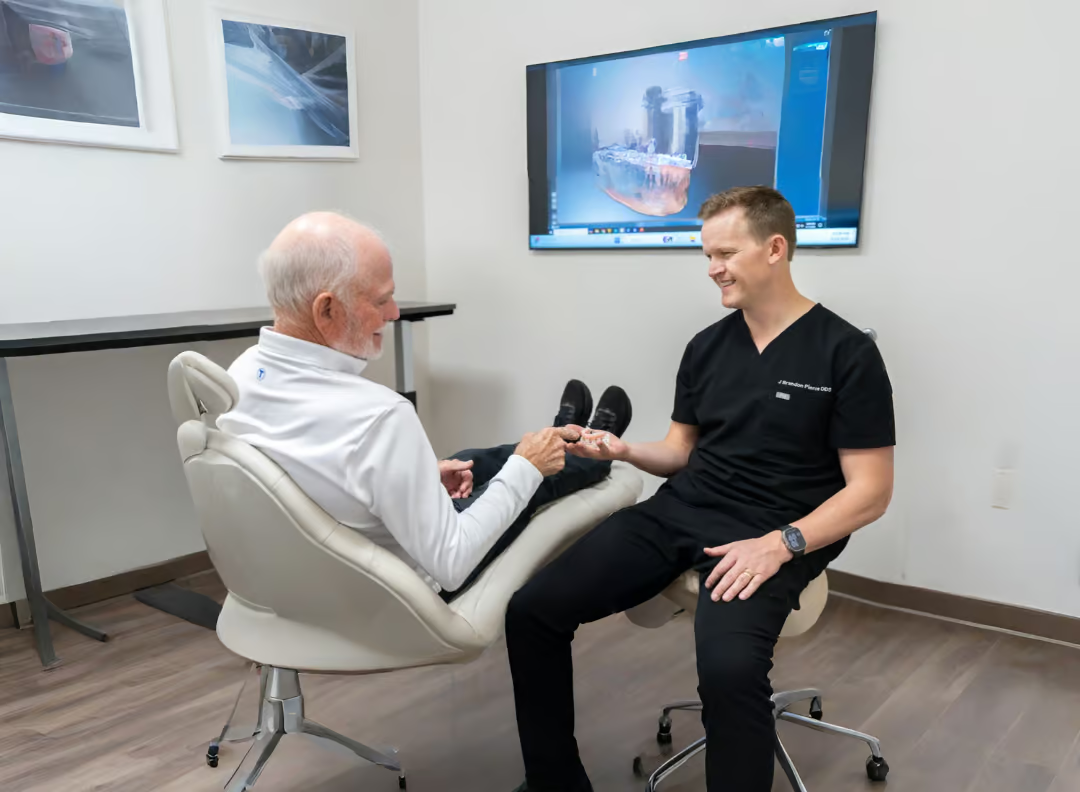
A Modern Solution for Replacing Missing Teeth
Implants can be used to replace one tooth, several teeth, or even an entire arch depending on the patient’s needs.
Dental implants replace the root of a missing tooth with a small titanium post that integrates with the jawbone. Once healed, a custom restoration such as a crown, bridge, or full arch prosthetic is attached to restore the visible portion of the tooth.
Because implants function like natural tooth roots, they help maintain bone structure and provide a stable foundation for replacement teeth.
Patients often choose dental implants because they can:
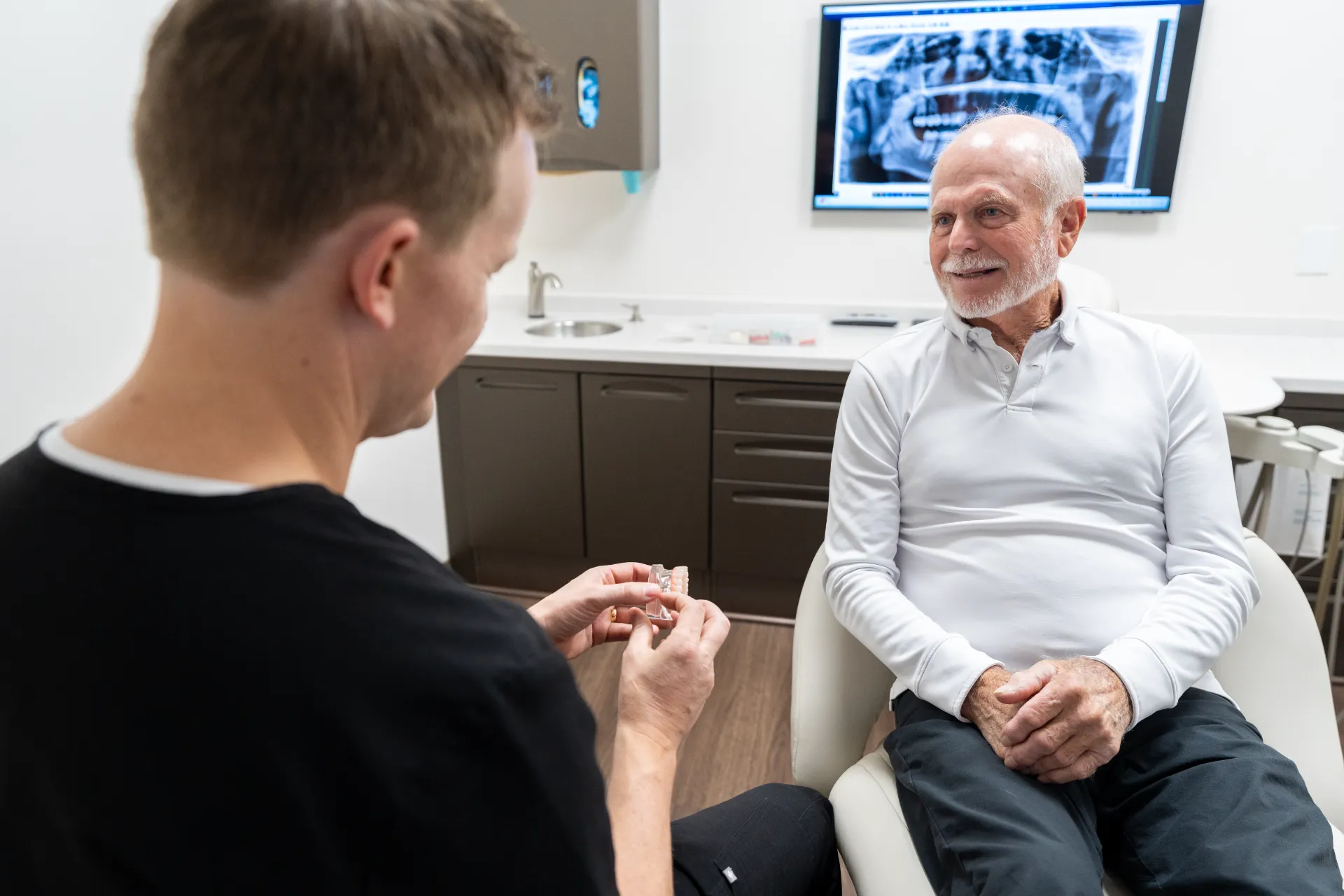
Dental Implant Solutions for Every Level of Tooth Loss
Dental implant treatment can be adapted to many different situations. At Precision Implant Center, implant solutions are designed based on the number of missing teeth and the overall condition of the patient’s oral health.


The Advantage of Surgical and Restorative Collaboration
Successful implant treatment depends on both precise surgical placement and well-designed restorations. At Precision Implant Center, implant care is delivered through collaboration between specialists.
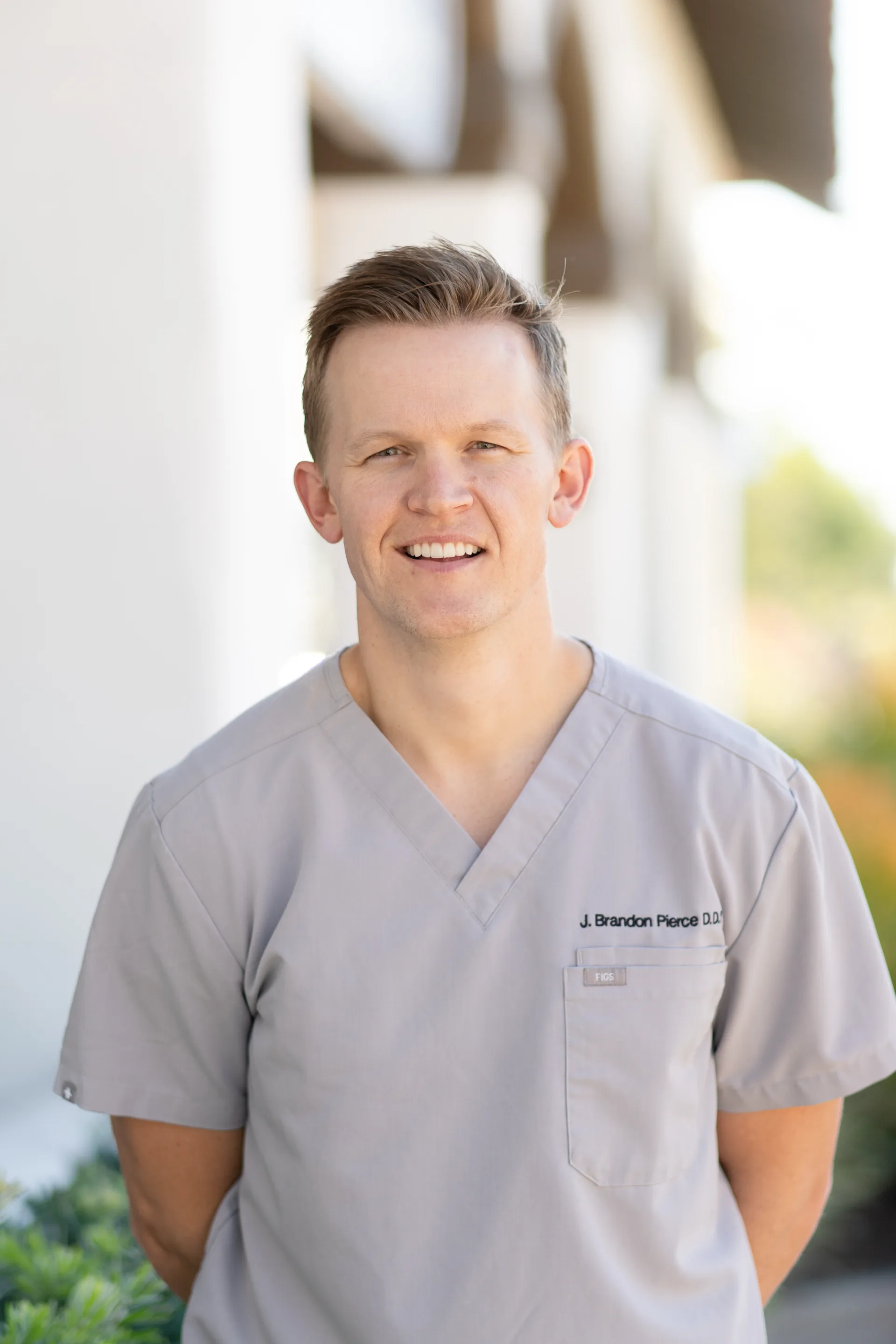
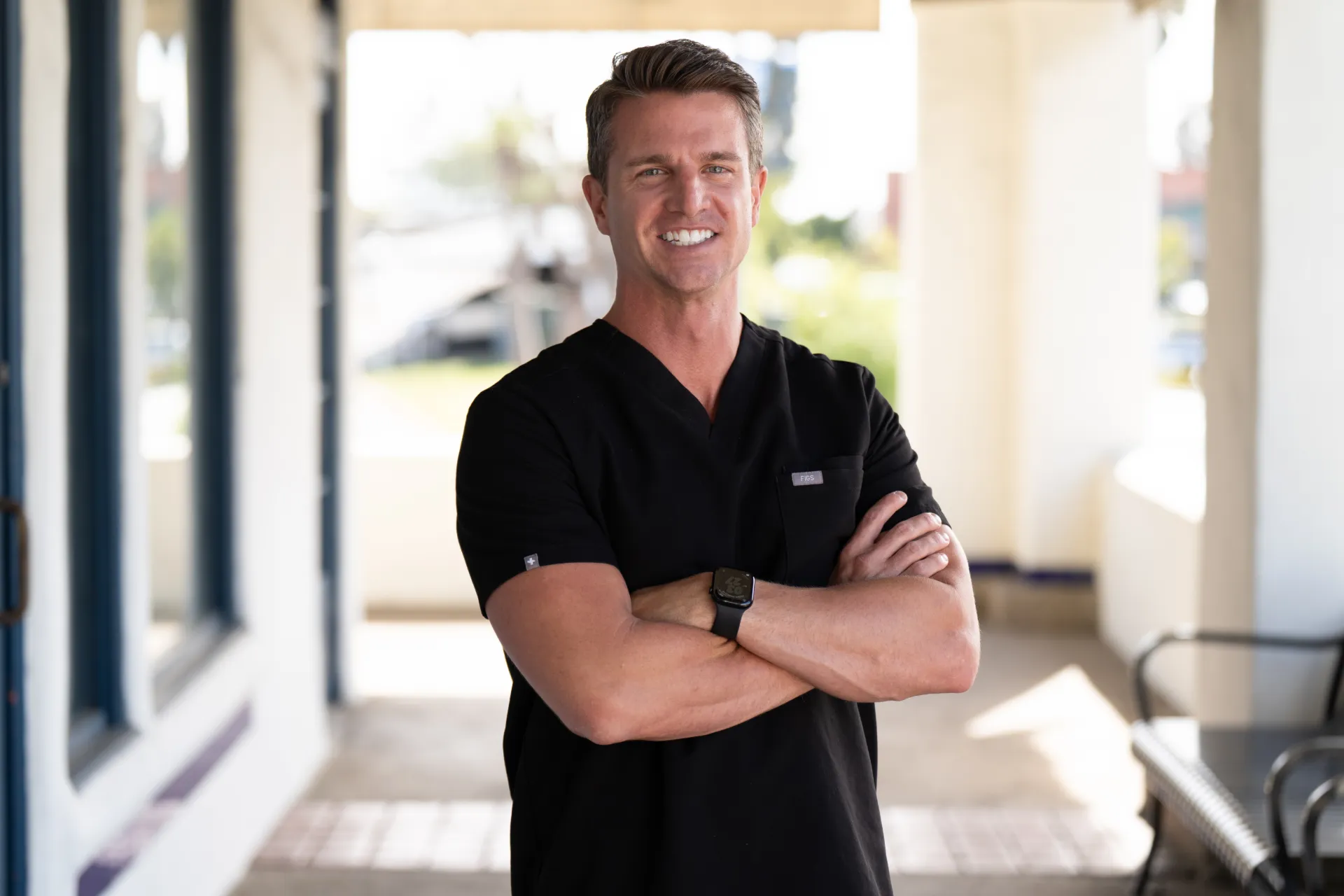
Dr. Jordan Christensen, a board-certified oral and maxillofacial surgeon, performs implant placement and surgical procedures with careful attention to anatomical structures and long-term stability.Following the surgical phase, Dr. Jennifer Pierce and Dr. Brandon Pierce design the custom restorations that restore both function and aesthetics.
This coordinated approach allows implant placement and restorative design to be planned together from the start.

Advanced Technology Guides Implant Treatment
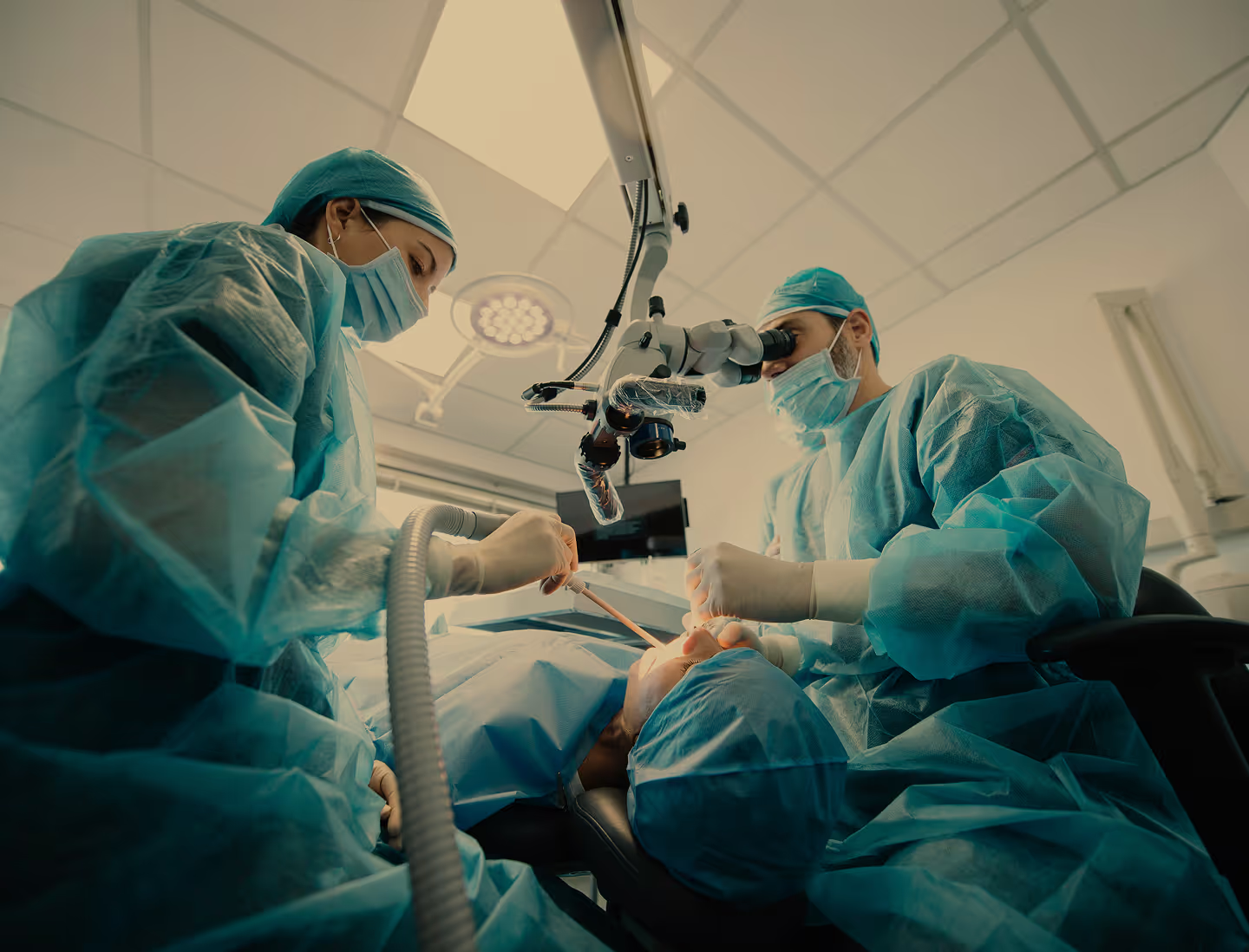
Modern implant dentistry relies on detailed diagnostics and digital planning. At Precision Implant Center, advanced technology supports accurate evaluation and precise implant placement.
Technology used during implant treatment includes:
CBCT 3D imaging
To visualize bone structure and anatomical landmarks
Shining 3D Elite Intraoral Scanning
For precise digital impressions
Digital Planning Tools
Software for implant positioning
These tools help ensure implants are placed in positions that support long-term stability and natural-looking restorations.

Preparing the Jawbone
for Implant Placement
In some cases, additional procedures may be recommended to create the proper foundation for dental implants. For example, bone grafting and ridge augmentation can rebuild lost bone in areas where teeth have been missing for a long time. Advanced regenerative treatments such as PRP therapy may also be incorporated into surgical procedures to support healing.
These procedures help ensure implants have the support needed for long-term success.
What to Expect During the Implant Process
While treatment plans vary, most implant procedures follow a similar sequence.
Initial Consultation
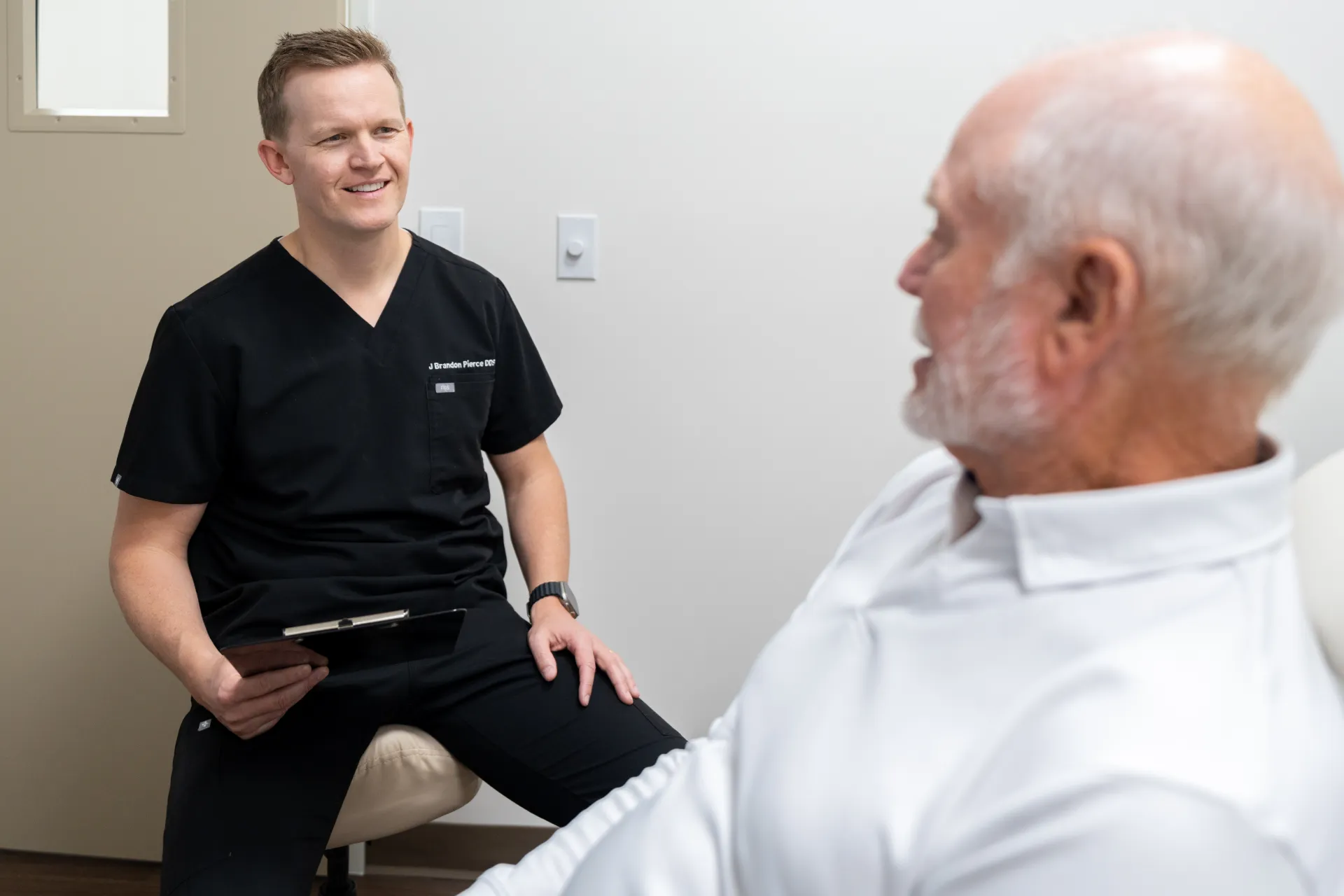
A comprehensive exam, CBCT imaging, and digital scans are used to evaluate bone structure and determine the most appropriate implant solution.
Implant Placement
The titanium implant is placed in the jawbone where it will integrate with surrounding bone.
Healing and Osseointegration
Over several months, the implant bonds with the jawbone, creating a stable foundation.
Restoration Placement
A custom crown, bridge, or prosthetic is attached to restore the function and appearance of the missing tooth or teeth.
A Long-Term Investment in Oral Health
Dental implants are designed to provide long-term stability and support for replacement teeth. By replacing both the root and visible portion of the tooth, implants help maintain bone structure and protect surrounding teeth. At Precision Implant Center, treatment focuses on:
Specialized surgical expertise
High-quality implant materials
Digital treatment planning
Custom restorative design
Because implant treatment represents an investment in specialized care and premium materials, patients often explore flexible third-party financing and custom payment plans to make treatment accessible.
Implant Dentistry for Rancho Peñasquitos and North County Inland
Precision Implant Center is located in Rancho Peñasquitos along the SR-56 corridor, serving patients from across North County Inland including:
Carmel Valley
Rancho Bernardo
4S Ranch
Del Sur
Poway
Scripps Ranch
Frequently Asked Questions
Dental implants are titanium posts placed in the jawbone that function as artificial tooth roots. They support crowns, bridges, or full arch restorations designed to replace missing teeth.
With proper care and routine dental visits, dental implants can last for decades. The restorations attached to the implant may require maintenance or replacement over time.
Implants replace the tooth root and help preserve jawbone structure, which traditional bridges and removable dentures cannot do.
Many adults with good oral health and adequate bone support are candidates for dental implants. A consultation with imaging will determine the most appropriate treatment plan.
Procedures such as bone grafting or ridge augmentation can often rebuild bone support so implants can be placed successfully.
.webp)
Start Your Dental Implant Consultation
If you are exploring options to replace missing teeth, a consultation at Precision Implant Center can help determine the most appropriate implant solution.Precision Implant Center is located in Suite #3 on Black Mountain Rd in Rancho Peñasquitos, next to Pierce Family Dentistry in Suite #5.